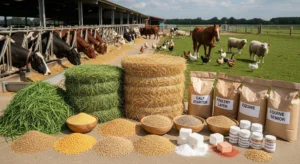
Animal feed is one of the most important parts of successful animal care and livestock production. Whether you keep cattle, goats, sheep, pigs, poultry, horses, pets, or other animals, the quality and suitability of the feed directly affect daily management, animal condition, and production results.
Choosing animal feed is not only about selecting a bag from a supplier. It involves understanding the animal’s age, species, production stage, health condition, access to forage, water supply, and the purpose of the feeding programme.
At Vector Laboratory Solutions & Veterinary Drugs, we support farmers, veterinary professionals, retailers, and distributors with dependable animal-health and nutrition products. This guide explains what to look for when choosing quality animal feeds and how to use them responsibly.
Why Quality Animal Feed Matters
Animals need a diet that provides energy, protein, fibre, vitamins, minerals, and clean water in suitable amounts. The exact balance depends on the animal.
A growing calf does not have the same nutritional needs as a lactating dairy cow. A laying hen does not have the same needs as a broiler chicken. A working horse, breeding goat, pet dog, or pig in a finishing programme will also require a different feeding approach.
Good feed management supports animal health and welfare, as well as the production of safe animal products. International food-safety guidance recognises that safe feed is an important part of the wider food chain.
The goal is not simply to feed more. The goal is to feed appropriately.
Understanding the Main Types of Animal Feed
Animal feeds come in different forms and are used for different purposes.
Forage and Roughage
Forage includes pasture, grass, hay, silage, crop residues, and other fibrous plant materials. It is especially important for ruminant animals such as cattle, goats, and sheep.
Forage contributes fibre, supports normal digestion, and forms a major part of many livestock diets. The quality of forage can vary depending on the season, harvesting method, storage, plant maturity, and weather conditions.
Concentrate Feeds
Concentrate feeds are often more energy- or protein-dense than forage. They may include grains, oilseed meals, by-products, pellets, mash, or commercial feed mixtures.
They can be useful for growing animals, lactating animals, breeding stock, poultry, pigs, and other animals with higher nutritional demands. However, concentrates should be selected and introduced carefully as part of a balanced ration.
Complete Feeds
Complete feeds are formulated to provide a substantial share, or all, of an animal’s daily nutritional needs when fed according to the product label and a suitable feeding plan.
They are commonly used in poultry, pig, dairy, pet, and intensive livestock systems. Always check whether the feed is intended as a complete feed, a supplement, a starter feed, a grower feed, a finisher feed, or a breeder feed.
Supplements and Premixes
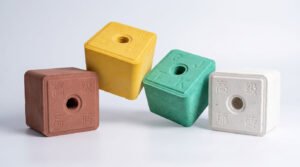
Supplements are designed to add specific nutrients to an existing diet. They may contain protein, minerals, vitamins, energy, probiotics, or other nutritional ingredients.
Premixes are concentrated blends that are typically mixed into feed according to precise instructions. They should only be used as directed to avoid an unsuitable nutrient balance.
Choosing Feed by Animal Type
The best animal feed is one that matches the needs of the animal.
Cattle, Goats and Sheep
Ruminants generally need adequate fibre in their diets. Their feed plan may include pasture, hay, silage, crop residues, concentrates, mineral supplements, and clean water.
Nutritional planning should consider the animal’s weight, stage of growth, pregnancy, milk production, and the quality of available forage.
Poultry
Poultry feed is usually formulated according to the bird’s purpose and age. Common types include chick starter, grower feed, layer feed, broiler starter, broiler grower, and broiler finisher feed.
Using the correct feed at the correct stage helps support normal growth and production. Feed should be stored properly and protected from moisture, pests, and contamination.
Pigs
Pig feed programmes often change as animals grow. Starter, grower, finisher, sow, and boar feeds may have different nutritional profiles.
A good feeding plan should support the animal’s stage of production while maintaining proper hygiene, water access, and responsible feed handling.
Pets and Companion Animals
Pet foods should be selected for the animal’s species, age, size, activity level, and health needs. Puppies, kittens, adult animals, senior pets, and breeding animals may require different diets.
Where a pet has a health condition, seek advice from a qualified veterinarian before changing its diet.
What to Check Before Buying Animal Feed
Before purchasing feed, review the product information carefully.
Check the Label
A quality feed label should help you understand:
- The animal species or class it is intended for
- The purpose of the feed
- Feeding instructions
- Key ingredients or nutritional information
- Storage requirements
- Batch number
- Manufacturing date or expiry date
- Warnings or restrictions
Do not use feed that is damaged, mouldy, wet, unusually dusty, contaminated, or past its expiry date.
Buy From a Reliable Supplier
A reliable supplier should provide properly labelled products, clear product information, suitable storage, and assistance when you have questions.
Feed quality is important because feed ingredients and finished feeds can vary in nutritional composition and may be exposed to contamination risks during production, handling, storage, or transport.
Consider the Full Feeding Plan
A bag of feed is only one part of the programme. Consider:
- What forage or pasture is available?
- Does the animal have constant access to clean water?
- Are mineral supplements needed?
- Is the feed suitable for the animal’s age and production stage?
- Are you feeding the correct amount?
- Are there signs that the feeding plan needs review?
Proper Storage of Animal Feed
Correct storage protects feed quality and reduces waste.
Store feed in a cool, dry, clean, well-ventilated area. Keep bags off the floor where possible and away from walls that may hold moisture. Protect feed from rain, direct sunlight, rodents, birds, insects, pets, and other pests.
Use a “first in, first out” system so that older stock is used before newer stock. Keep different products clearly labelled and separate, especially where feeds are made for different species or stages of production.
Poor storage can affect feed quality and may create safety concerns. Feed safety systems emphasise preventing hazards at every stage, including storage, handling, and transport.
Common Feeding Mistakes to Avoid
- Using feed intended for the wrong animal species
- Feeding a product outside its recommended stage of use
- Changing feed suddenly without a careful transition
- Ignoring feeding instructions
- Giving spoiled, mouldy, wet, or contaminated feed
- Storing feed where pests or moisture can reach it
- Forgetting clean water
- Assuming supplements can replace a balanced ration
- Feeding sick animals without veterinary advice
- Buying feed only on price without checking quality and suitability
How Vector Laboratory Solutions & Veterinary Drugs Can Help
Vector Laboratory Solutions & Veterinary Drugs supplies animal-health and nutrition products for livestock, poultry, pets, veterinary practices, retailers, and distributors.
Our team can help you explore product availability, bulk supply options, and suitable product categories for your operation. Whether you require feed supplements, mineral products, hygiene solutions, veterinary supplies, or regular product supply, we are ready to assist.
Contact us today to request product information or a free quote.
Important note: Feed requirements vary by species, age, production stage, health status, and local conditions. Always follow product labels. For a tailored feeding plan, poor performance, illness, or concerns about diet, consult a qualified veterinarian or animal-nutrition professional.