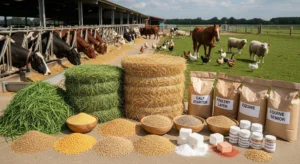
Healthy livestock need more than grass, hay, grain, and water. Minerals are an important part of a balanced nutrition programme, helping support normal growth, reproduction, bone development, immune function, and general wellbeing.
Mineral blocks are a simple and convenient way to offer selected minerals to livestock. They can be placed in a suitable feeding area and made available for animals to lick as needed. However, not every mineral block is the same, and choosing the right product for the right species matters.
At Vector Laboratory Solutions & Veterinary Drugs, we believe farmers should have clear information when selecting animal-health and nutrition products. This guide explains what mineral blocks are, why they are used, and how to use them responsibly.
What Are Mineral Blocks?
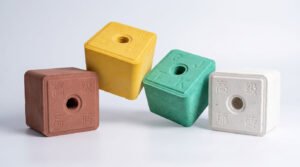
Mineral blocks are solid nutritional supplements made for animals to lick. Depending on the product, they may contain salt, essential minerals, trace minerals, vitamins, molasses, protein, or other nutritional ingredients.
They are commonly used for cattle, goats, sheep, horses, and other livestock. Their main purpose is to help support the mineral intake of animals when their normal feed or grazing may not provide everything required.
Minerals are generally divided into two groups:
- Major minerals, such as calcium, phosphorus, magnesium, sodium, and potassium.
- Trace minerals, such as zinc, copper, selenium, iodine, manganese, and iron.
The precise mineral needs of an animal can change according to its species, age, breed, production stage, health status, body condition, local grazing conditions, and the rest of its diet. Feed and water quality, as well as the stage of pregnancy, lactation, growth, or production, should be considered when planning an animal’s nutrition programme.
Why Are Mineral Blocks Important for Livestock?
Animals obtain many nutrients from pasture, forage, hay, silage, grain, and complete feeds. However, the mineral content of those feeds can vary greatly by location, season, soil type, feed quality, and storage conditions.
A mineral block can be a practical supplement where animals are grazing or kept in areas where it is difficult to provide individual nutritional support.
When used as part of a suitable feeding plan, mineral blocks may help support:
- Normal growth and body development
- Strong bones and teeth
- Reproductive performance
- Milk production in lactating animals
- Normal muscle and nerve function
- Appetite and feed use
- General condition and wellbeing
It is important to remember that a mineral block is a supplement, not a replacement for a balanced diet, clean water, proper housing, disease prevention, and veterinary care.
Types of Mineral Blocks
Before buying a mineral block, check the label carefully. Different products are designed for different purposes.
Salt Blocks
Salt blocks are mainly a source of sodium chloride. Animals need salt in their diet, but a plain salt block may not provide the full range of minerals needed for a complete mineral supplementation programme.
Salt blocks can be useful in certain situations, but farmers should not assume that every salt block is a complete mineral block.
Trace Mineral Blocks
Trace mineral blocks usually contain salt plus smaller amounts of trace minerals such as zinc, iodine, manganese, copper, and selenium.
These products may be useful where trace-mineral supplementation is needed. Always check whether the product is suitable for your animal species and whether it contains the right balance of minerals.
Complete Mineral Blocks
Complete mineral blocks are formulated to provide a broader combination of major and trace minerals. Some may include calcium, phosphorus, magnesium, and trace minerals in addition to salt.
For cattle, a product intended only as trace-mineralised salt may not meet all major-mineral requirements. This is why reading the label and understanding the purpose of the product is essential.
Protein or Energy Blocks
Some blocks contain molasses, protein, energy, minerals, or a combination of ingredients. These are often used as nutritional supplements during periods when pasture quality is low or animals require additional nutritional support.
They should be selected according to the animal’s diet, production stage, and the advice of a qualified animal-nutrition professional or veterinarian.
Choosing the Right Mineral Block
A good mineral block should be chosen based on the animal and the farming system, not simply on price or packaging.
Consider the following before purchasing:
1. Animal Species
Always choose a product that is clearly labelled for the intended species.
Cattle, goats, sheep, horses, and poultry have different nutritional needs. A mineral product designed for one animal may not be suitable for another. This is particularly important for sheep, as some mineral ingredients that may be used in other livestock products can be unsuitable at certain levels for sheep.
2. Life Stage and Production Needs
Young growing animals, pregnant animals, lactating animals, breeding stock, and animals under stress may have different nutritional needs.
For example, animals producing milk or raising young may need a carefully planned nutrition programme. A mineral block should support the overall feeding plan rather than be used as a one-size-fits-all solution.
3. Existing Feed and Grazing
Look at what your animals already eat. Good pasture, hay, silage, concentrate feed, and commercial rations may already provide some minerals.
Using several supplements without checking the total diet can lead to unnecessary cost or an unsuitable mineral balance. Where possible, speak to a veterinarian, nutritionist, or local agricultural adviser about the needs of your animals.
4. Product Label and Ingredients
Read the label before purchase and before use. Check:
- Intended animal species
- Ingredients and mineral levels
- Feeding instructions
- Storage instructions
- Warnings and precautions
- Batch number and expiry date
- Whether the product is for free-choice use or controlled use
How to Use Mineral Blocks Properly
Place mineral blocks in a clean, dry, accessible location where animals can reach them safely. Keep them away from mud, standing water, heavy rainfall, and contamination.
Check blocks regularly. If a block becomes wet, dirty, damaged, or contaminated, replace it according to the product instructions.
Monitor your animals’ intake. If animals are consuming very little or unusually large amounts, this may indicate that the product placement, palatability, feeding system, or wider nutrition programme needs review.
Do not place mineral blocks where only dominant animals can access them. In larger groups, provide enough access points to reduce competition.
Common Mistakes to Avoid
- Using one mineral block for every type of animal
- Assuming a salt block is a complete mineral supplement
- Ignoring the product label
- Leaving blocks in wet or dirty areas
- Providing multiple supplements without reviewing the full diet
- Using a mineral block instead of balanced feed and clean water
- Failing to seek professional advice when animals show poor condition or illness
Find the Right Mineral Block for Your Animals
Mineral blocks can be a valuable part of responsible livestock nutrition when selected and used correctly. The best choice depends on your animals, the feed already available, and your farm’s specific requirements.
Vector Laboratory Solutions & Veterinary Drugs supplies animal-health and nutrition products for farmers, veterinary professionals, distributors, and agricultural businesses.
Contact our team to learn more about available mineral blocks, bulk supply, and product options for your livestock operation.
Important note: Always follow the product label. For nutrition planning, illness, poor growth, reproduction concerns, or dosage advice, consult a qualified veterinarian or animal-nutrition professional.